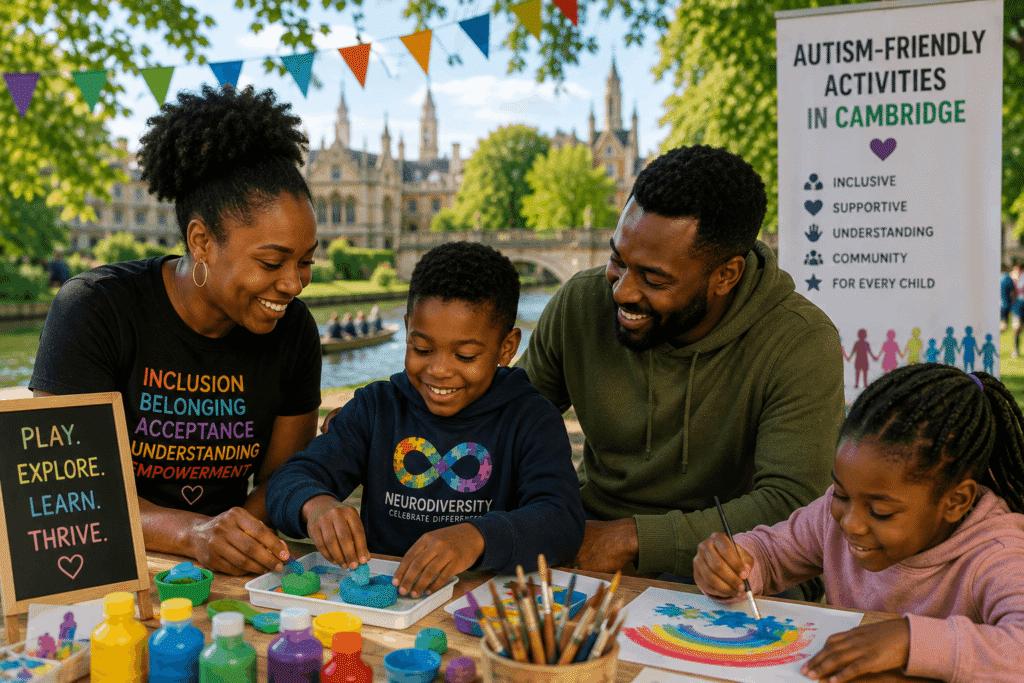
Every child experiences the world differently. The way we think, learn, communicate, process information and interact with others can vary greatly from person to person.
You may have heard the term neurodivergent used more frequently in conversations about autism, ADHD, learning differences and inclusion. But what does neurodivergent actually mean?
For many families, discovering that their child is neurodivergent can bring many emotions — questions, uncertainty, relief, curiosity and a desire to find the right support.
Understanding neurodiversity helps us move beyond labels and focus on what matters most: recognising each child’s strengths, needs, personality and potential.
At Thriving Beyond the Label, we believe neurodivergent children should be celebrated for who they are. Every child has unique abilities, interests and ways of experiencing the world.
Our mission is to support families, professionals and communities to create environments where neurodivergent children can feel understood, included and empowered.
What Does Neurodivergent Mean?
The term neurodivergent describes individuals whose brain processes, learns, communicates or experiences the world differently from what is considered typical.
The word comes from the concept of neurodiversity, which recognises that there is natural variation in how human brains work.
Being neurodivergent is not about being less capable. Instead, it highlights that people may have different strengths, preferences, challenges and support needs.
Neurodivergent children may experience differences in areas such as:
- Communication
- Learning styles
- Sensory processing
- Attention and focus
- Social interaction
- Emotional regulation
- Problem-solving approaches
Some children may need additional support in certain environments, while others may develop unique strengths in areas such as creativity, problem-solving, memory, technology, art or deep interests.
The focus should not only be on challenges but also on helping children discover what they can achieve.
What Are Neurodivergent Conditions?
Neurodivergence can include a wide range of developmental differences and conditions.
Some commonly recognised neurodivergent conditions include:
Autism
Autism is a developmental difference that can influence communication, sensory experiences, social interaction and how a person understands the world.
Autistic children may experience differences in:
- Communication styles
- Sensory preferences
- Social interaction
- Routines and predictability
- Interests and focus
Every autistic child is different. Some may need significant support, while others may live independently with minimal adjustments.
Understanding autism means recognising the individual child rather than focusing only on the diagnosis.
ADHD
Attention Deficit Hyperactivity Disorder (ADHD) can affect attention, impulse control, organisation and activity levels.
Children with ADHD may experience strengths such as:
- Creativity
- Energy
- Curiosity
- Problem-solving skills
- Enthusiasm for interests
With the right understanding and support, children with ADHD can thrive in environments that recognise their needs.
Dyslexia
Dyslexia affects how some people process written information and language.
Children with dyslexia may experience challenges with reading and spelling but may also demonstrate strengths in:
- Creativity
- Visual thinking
- Innovation
- Big-picture understanding
Dyspraxia
Dyspraxia can affect coordination, movement planning and organisation.
Children with dyspraxia may benefit from support with:
- Physical activities
- Daily routines
- Organisation skills
- Confidence building
Sensory Processing Differences
Some neurodivergent children experience sensory information differently.
This may include sensitivity or seeking behaviours relating to:
- Sounds
- Lights
- Textures
- Movement
- Smells
Understanding sensory needs can help families and organisations create more comfortable and supportive environments.
Neurodivergent Children: Seeing Strengths Beyond Labels
A diagnosis or difference does not define a child.
Every neurodivergent child has their own:
- Personality
- Interests
- Communication style
- Learning preferences
- Dreams and goals
A strengths-based approach asks:
“What helps this child thrive?”
rather than:
“What is wrong?”
This approach helps children build:
- Confidence
- Independence
- Self-awareness
- Positive identity
- Emotional wellbeing
At Thriving Beyond the Label, we focus on helping children discover their strengths and interests through inclusive opportunities, activities and community support.
Learn more about our approach on our
Who We Are page:
Who We Are
Supporting Neurodivergent Children at Home
Families play an important role in helping children feel accepted and supported.
Here are some practical ways parents and carers can support neurodivergent children.
1. Understand Your Child’s Individual Needs
Every child is different.
Instead of comparing your child with others, focus on understanding:
- What motivates them
- What makes them comfortable
- What situations feel overwhelming
- How they communicate best
- What activities they enjoy
2. Celebrate Interests and Strengths
Many neurodivergent children develop strong interests and passions.
These interests can become opportunities for:
- Learning
- Confidence building
- Social connection
- Skill development
A child’s passion can be a pathway to growth.
3. Create Predictable Environments
Many neurodivergent children benefit from:
- Clear routines
- Visual schedules
- Preparation for changes
- Consistent communication
Predictability can help children feel safe and confident.
4. Support Emotional Regulation
Children may communicate their needs through behaviour.
Understanding what a child is communicating can help parents respond with empathy.
Helpful approaches include:
- Recognising triggers
- Providing calm spaces
- Supporting communication
- Allowing processing time
5. Find Community Support
Parents do not have to navigate the journey alone.
Connecting with other families can provide:
- Understanding
- Encouragement
- Shared experiences
- Practical advice
Our Parent & Carer Support programme provides workshops, peer support opportunities, webinars and practical guidance for families raising autistic and neurodivergent children.
Learn more:
Neurodiversity Support in Cambridge and Beyond
Families often search for support after receiving a diagnosis or recognising differences in their child’s development.
Finding the right support network can make a significant difference.
Thriving Beyond the Label supports families across:
- Cambridge
- Cambridgeshire
- East of England
We also provide online resources and community connections for families beyond the local area.
Our support includes:
- Parent support
- Inclusive activities
- Community events
- Educational resources
- Professional collaboration
Inclusive Activities for Neurodivergent Children
Opportunities for children to explore, create and connect are essential.
Inclusive activities can support:
- Confidence
- Creativity
- Independence
- Social connection
- Personal interests
Our Thriving Interests Holiday Club provides an inclusive environment for neurodivergent children aged 5–13, combining:
- Creative arts
- STEM activities
- Music
- Movement
- Sensory play
- Life skills
Learn more about our programme:
Creating More Neurodiverse-Friendly Communities
Supporting neurodivergent children requires more than family support.
Schools, workplaces, community organisations and professionals all have a role to play.
Greater understanding can help create:
- Inclusive schools
- Supportive workplaces
- Accessible community spaces
- Stronger family networks
Our community events bring families and professionals together to learn, connect and celebrate neurodiversity.
Explore our events:
Why Neurodiversity Awareness Matters
Awareness creates understanding.
When communities understand neurodiversity, they can better support children and families.
Schools, organisations and employers can benefit from learning about:
- Autism inclusion
- SEND support
- Communication differences
- Sensory needs
- Strengths-based approaches
Our Neurodiversity Training programme supports schools, organisations and professionals to develop greater confidence in creating inclusive environments.
Learn more:
Working Together to Support Neurodivergent Children
No single organisation can support families alone.
Positive outcomes happen when families, educators, healthcare professionals and communities work together.
Thriving Beyond the Label collaborates with:
- Schools
- Therapists
- Healthcare professionals
- Charities
- Community organisations
- Local authorities
Learn more about our partnerships:
Frequently Asked Questions
What is neurodivergent?
Neurodivergent means having a brain that processes information, communicates or experiences the world differently from typical development patterns.
Is autism considered neurodivergent?
Yes. Autism is one example of a neurodivergent condition, alongside ADHD, dyslexia, dyspraxia and other developmental differences.
Are neurodivergent children less capable?
No. Neurodivergent children have different strengths, learning styles and support needs. With the right environment, they can thrive.
How can I support my neurodivergent child?
Support begins with understanding your child’s needs, celebrating strengths, creating predictable environments and accessing appropriate guidance.
Where can families find neurodiversity support?
Families can access support through community groups, parent support programmes, educational resources and professional networks.
Final Thoughts: Every Child Has the Potential to Thrive
Understanding what neurodivergent means is the first step towards creating a more inclusive world.
Neurodivergent children do not need to change who they are. They need understanding, acceptance and opportunities that allow them to develop their strengths.
At Thriving Beyond the Label, we believe every child deserves to be recognised beyond a label — for their abilities, interests and potential.
Together, we can create communities where neurodivergent children and families feel supported, included and empowered.
Contact Thriving Beyond the Label
Need Support or Want to Learn More?
Whether you are a parent, carer, professional or organisation, we would love to hear from you.
Connect with Thriving Beyond the Label for:
- Parent support
- Neurodiversity programmes
- Inclusive activities
- Training opportunities
- Partnership enquiries
Visit our contact page:
Together, we can help neurodivergent children thrive beyond the label.